Look 01
Candles before centrepieces
Two real beeswax candles do more for a table than any arrangement. Light them ten minutes before sitting down.
Celebrations & holidays
Christmas, Easter, an anniversary, a birthday. The pieces that make a meal feel like an occasion — without trying too hard.
Lookbook — Volume 03
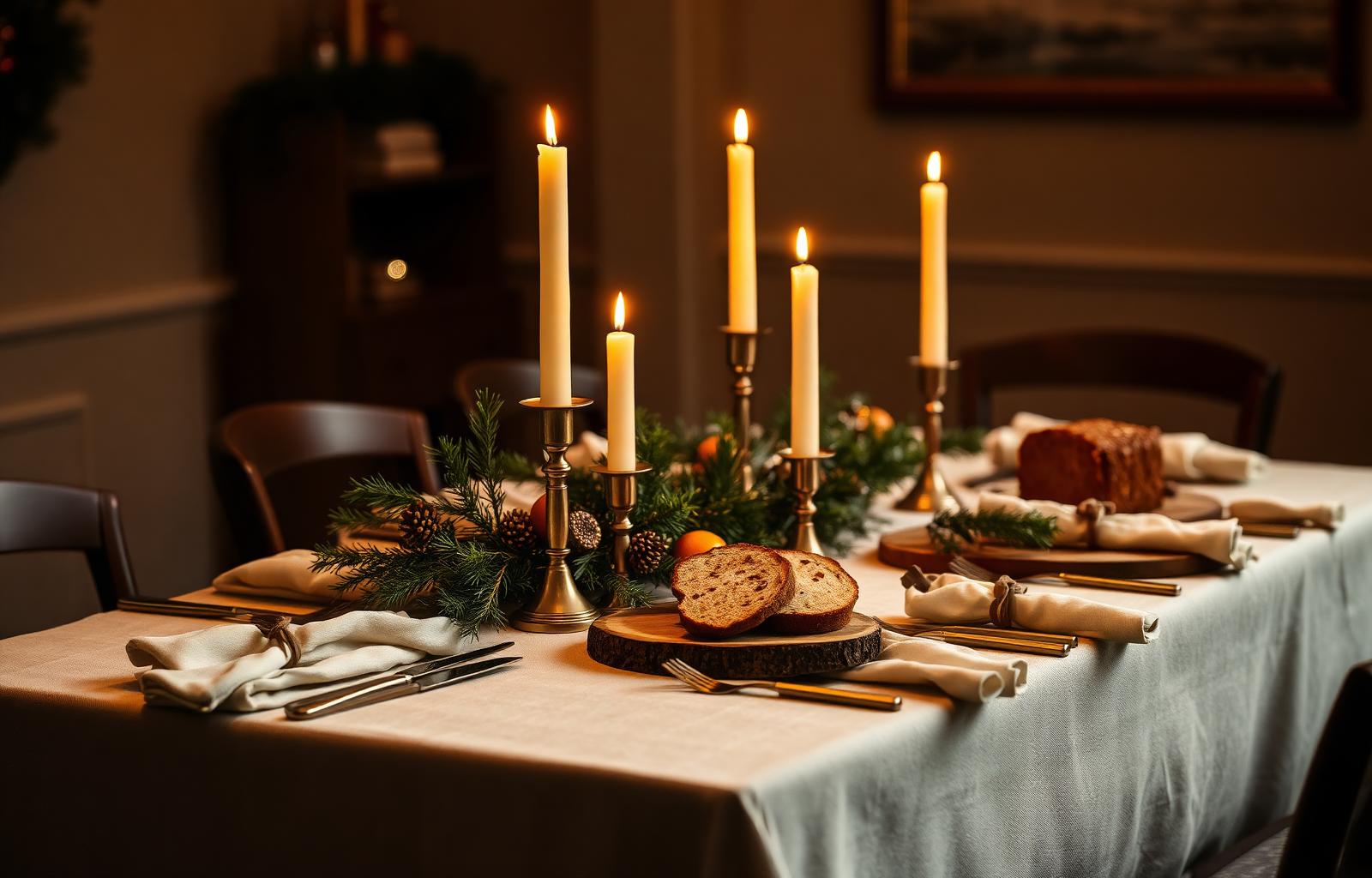
A celebration is not a louder dinner. It is the same dinner with two or three things done with more care: the candles, the folded napkin, the basket of bread that someone took the time to warm.
The lookbook
Look 01
Two real beeswax candles do more for a table than any arrangement. Light them ten minutes before sitting down.
Look 02
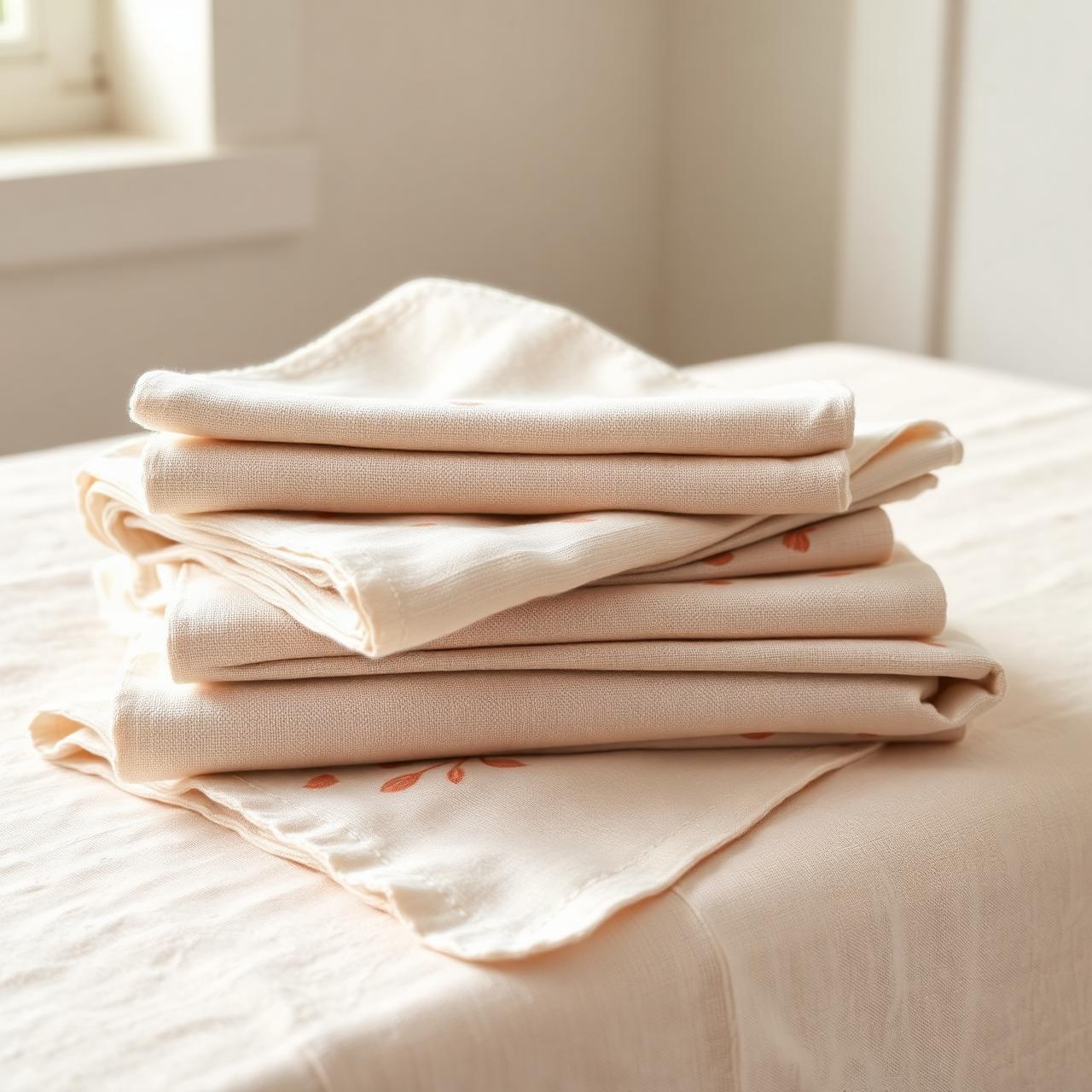
Each napkin ring is numbered by hand. At Christmas, each person finds their number. The children look for theirs first.
Look 03
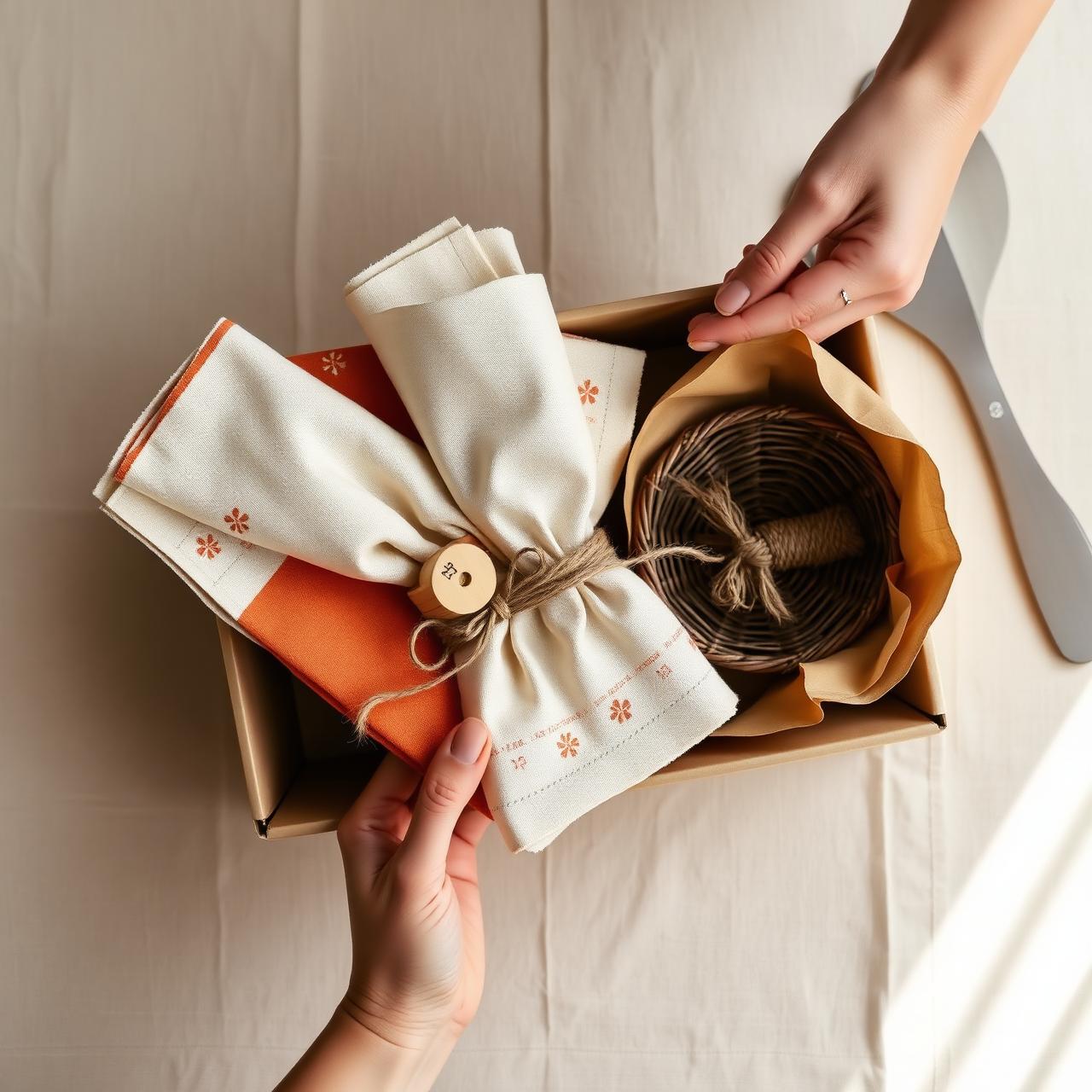
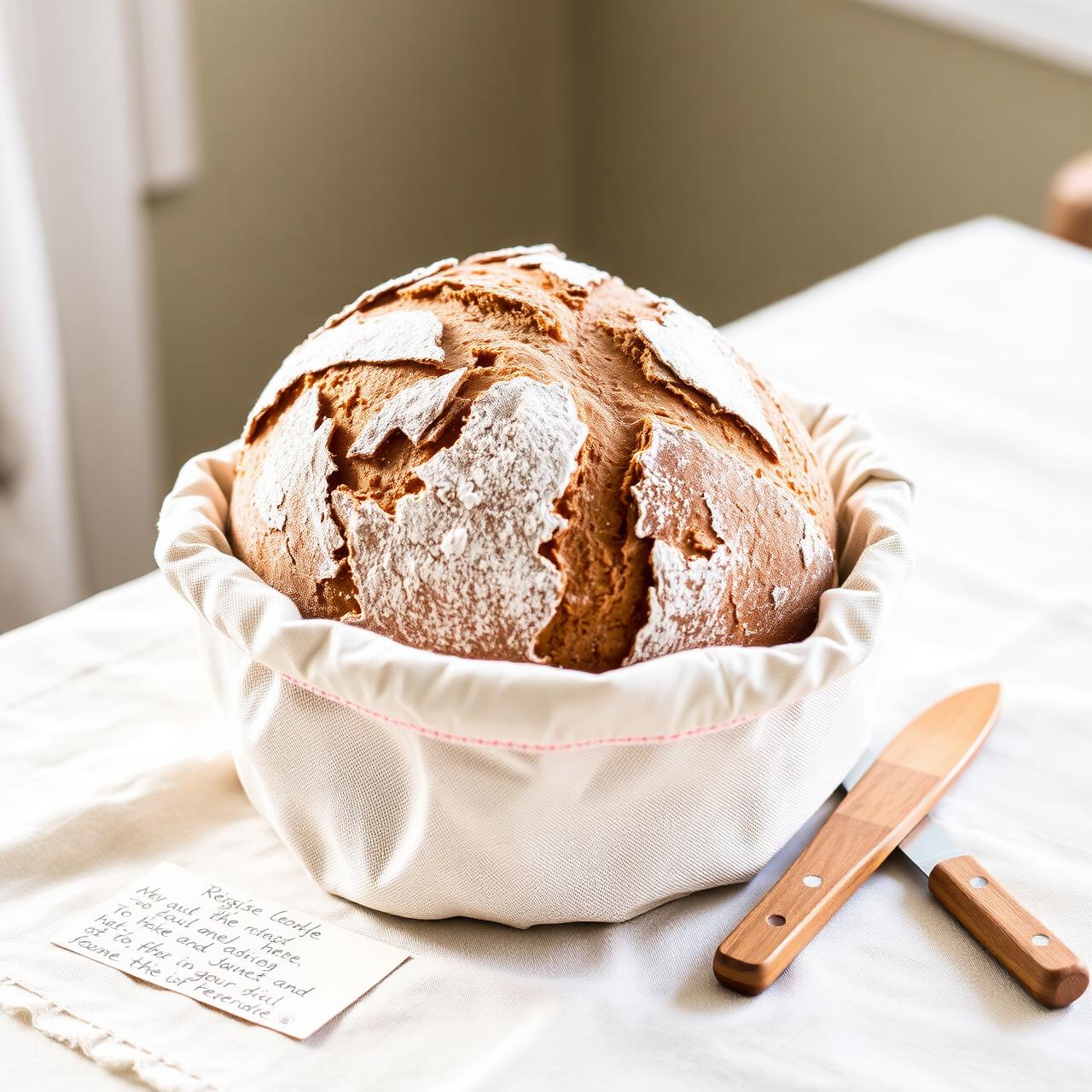
Even a tiny gift, when it comes wrapped in kraft and hemp, becomes the centre of the table for a minute.
Look 04
Before the first course, a pause. Not a speech. Just a moment so everyone knows the meal has begun.
“Celebrate quietly. The objects on the table are doing some of the work.”
Editorial — Field notes
It begins, always, with the cloth. Folded since the last holiday, kept in the linen drawer with a sprig of dried lavender. We unfold it on the table in the early afternoon, hours before anyone is expected, and let the creases rest themselves out in the soft winter light.
By four o'clock the bread is in the oven and the candles are lined up on the sideboard — twelve of them, more than we need, because someone always wants to take one home. The napkins are pressed and stacked, and the numbered rings are laid out in a row, waiting for names.
A celebration, we have come to believe, is not the meal itself but the three hours that precede it. The slow, almost ceremonial preparation of small objects: a basket lined with a clean cloth, a knife placed beside the bread, a single sprig of rosemary tied to each napkin with hemp twine. None of it is necessary. All of it is the point.
When the guests arrive, the table is already a kind of welcome. They sit down and find their number, their napkin, their place. The evening has begun before the first word.
A slow countdown
A celebration is built in advance. One small gesture a day, so that the evening itself can be quiet.
Choose the cloth
Pull the long linen from the drawer. Hang it overnight to release the folds.
Write the list
By hand, on a small card. Who is coming, what they bring, what you still need.
Polish the small things
The napkin rings, the candle holders, the bread knife. Ten minutes, no more.
Order the bread
From the baker who knows your name. Two loaves more than you think you need.
Pick the candles
Real beeswax, unscented. Count two per guest. Leave them on the sideboard.
Set the music
One playlist for arrival, one for the meal, one for after. Test the volume.
Fold the napkins
Slowly, the evening before. Number each ring. Place the cards.
Light the candles
Ten minutes before they ring the bell. Then sit down for a moment. The room is ready.
A menu
Not a recipe to follow — a memory to borrow. The menu of a Christmas Eve for nine people, in a small kitchen, with two children underfoot.
December 24 · 8:30 pm
To begin
Warm bread, salted butter, olives
Served on the basket, in the centre.
First
Pumpkin tortelli with sage butter
Made the morning of, by four hands.
Main
Roast capon with chestnuts
From the farm down the road, slow-cooked.
Between
A walk to the window. Silence.
Ten minutes. The candles do the work.
Sweet
Panettone, mascarpone, espresso
On the same cloth, no clearing.
After
Vin santo, almonds, one more story
The table stays set until midnight.
The palette
The five tones we keep returning to when we set a table for an occasion. No reds, no greens, no plastic. Just what the room already wants to be.
Beeswax
#E8C77A
The candle, the honey, the late light.
Old cream
#F0E8D5
The long cloth, washed many winters.
Soft ochre
#C9985A
The bread crust, the napkin rings.
Smoked clay
#8B5A3C
The plates, the table, the warmth.
Night green
#2F3E2E
Rosemary, fir, the dark outside.
Three tables
The point of a small collection of beautiful things is that they re-arrange. Here is how the same six pieces become three completely different tables.
Formal · candlelight
Long cream cloth, numbered rings, two candles per setting, bread basket in the centre, one sprig of rosemary on each plate.
Intimate · low light
Half the cloth, folded back. Two plates, two napkins, one ring each, one candle, one loaf cut in half. Nothing else.
Loud · midday sun
Cloth folded to the table edge. Bright napkins, numbered rings as place-tags, basket of focaccia. Crumbs allowed.
The wrapping ritual
We wrap every order this way. You can do the same at home, with what you already have in the drawer.
Lay the kraft paper flat. Iron it once with your hand. The crease matters.
Place the object diagonally. Diagonal folds use less paper and look intentional.
Fold the long sides first, then the short. Tuck, do not cut.
Tie with hemp twine — two turns, one knot, no bow.
Slip a small card under the twine. Handwritten. One sentence only.
Place the gift on the table, not under the tree. It belongs to the evening.
Voices from the table
“The napkins arrived on the 23rd. We unwrapped them at the table. They were the gift, but also the wrapping, but also the meal.”
Chiara, Milan
Christmas, second year
“I bought one ring for each of my grandchildren. Now they fight over the numbers. It is the best fight in the house.”
Margherita, Bologna
Easter lunch
“We used the bread basket every Sunday for a year before I realised it had become the thing the children associate with home.”
Luca, Verona
Anniversary
As mentioned in
Before you ask
From the journal
December 02
Ten minutes of empty room with a lit candle is what makes the evening feel different from a dinner.
Read the letterNovember 18
One plate, one napkin, one ring, one candle. For one person. A celebration is not measured in chairs.
Read the letterOctober 30
Because the unwrapping is part of the gift, and because the paper, folded once, goes into the fire after.
Read the letterContinue reading
Credits
The pieces we send out most for celebrations.